

How to Navigate the Used Car Market in Australia with Confidence

Identifying Eco-Friendly Options
Exploring eco-friendly used cars in Australia requires attention to detail and understanding of environmental impacts. As someone passionate about sustainability, it's essential to focus on fuel efficiency, emission levels, and alternative powertrain systems when considering a purchase. Models like used Hyundai, used Mazda, and 2nd hand Ford Ranger often serve as a solid foundation for environmentally conscious choices.
Researching Fuel Efficiency
Fuel efficiency is a key factor when selecting a used car. Look for models with a high miles-per-gallon (MPG) rating. This not only ensures reduced fuel consumption but also minimises carbon emissions. By choosing efficient vehicles, you help decrease the demand for fossil fuels, aligning with sustainable living goals.
Choosing Low-Emission Models
Focusing on cars with low emissions is equally important. Explore models that come from manufacturers known for prioritising emissions reductions. Hybrid vehicles often provide a perfect balance, offering both electric and fuel capabilities that lower the car's environmental impact. Be sure to check the emission ratings, which can significantly affect the vehicle's overall carbon footprint.
Alternative Powertrain Options
Investigating alternative powertrain options such as hybrid and electric vehicles is a wise move. They reduce dependency on traditional fuels and offer long-term environmental benefits. Brands like Hyundai have made strides in this domain, providing robust selections that fit this criterion. For instance, if you're near the Port of Sydney, you might find various options in dealerships along Parramatta Road, tailored to suit an environmentally conscious perspective.
Evaluating Reliability and Sustainability
When considering used cars, it's important to balance reliability and sustainability, two key aspects that impact both vehicle performance and environmental footprint. As a supply chain manager based in Sydney, where key operations revolve around the Port of Sydney, understanding these aspects is akin to managing a well-oiled logistics network. Brands like Toyota, Subaru, and Hyundai often come to mind when discussing dependable vehicles, but don't overlook the merits of a used Ford or second hand cars Sydney—long-standing competitors in reliability.
Durability of Different Makes
Brands known for their longevity can considerably reduce the need for frequent replacements, aligning well with sustainable practices. For instance, dealerships around Parramatta Road often highlight models from brands like Toyota, known for their enduring quality. Subaru stands out for all-wheel-drive reliability, while a used Kia presents a budget-friendly yet dependable option.
Maintaining a Green Vehicle
Maintaining the green credentials of a used vehicle involves regular service checks to ensure optimal performance and emission standards. This aligns with sustainable logistics practices seen in the industrial zones around Alexandria. Regular engine tuning and tire checks can enhance fuel efficiency, crucial for reducing your carbon footprint.
Long-Term Sustainability
The choice of vehicle directly impacts long-term sustainability. Opt for models that provide good mileage and have a reputation for longevity. Evaluating sustainability encompasses not only choosing eco-friendly materials but also vehicles that require minimal energy for operation and maintenance—comparable to a finely tuned supply chain system that minimizes waste and maximizes efficiency.
Navigating the Buying Process
Engaging with Reliable Sellers
When setting out to purchase a used vehicle, connecting with trustworthy dealers is crucial. As a supply chain manager familiar with the ins and outs of vehicle logistics, I find reputable used car dealerships, particularly those along Parramatta Road and near Alexandria's industrial zones, offer consistent quality and transparency. These dealerships often carry brands like used Subaru known for durability and eco-friendliness—key criteria for buyers aiming to minimize their environmental impact.
Inspecting Vehicle History
A vehicle's past can tell you everything you need to know about its future performance. As any logistics professional will confirm, meticulous record-keeping is vital—just as it is when examining a car history report. Look for comprehensive service records, accident history, and past ownership. This diligence is especially critical when eyeing eco-friendly options like a well-maintained 2nd hand Hyundai i30, which can offer both reliability and efficiency.
Test Driving for Performance
Testing the vehicle firsthand is a crucial step. It’s the equivalent of a pilot check before a logistics operation. Pay close attention to how the vehicle handles, its braking efficiency, and fuel economy during your test drive. These initial checks will ensure the car meets your expectations for sustainability and functionality. Before finalizing any purchase, make sure it aligns with your eco-conscious values and requirements for a lower carbon footprint.
Achieving a Sustainable Purchase
Assessing Total Ownership Costs
When you're about to make a sustainable purchase, it's crucial to assess the total ownership costs. This isn't just about the initial purchase price—other factors like long-term maintenance and operational expenses can significantly impact your budget. Think of aspects such as the likelihood of repairs due to wear and tear, or potential upgrades that may be required. As you're comparing models, assess these costs with brands like second hand Toyota RAV4 in mind, which are known for their reliability and lower maintenance expenses.
Evaluating Carbon Footprint
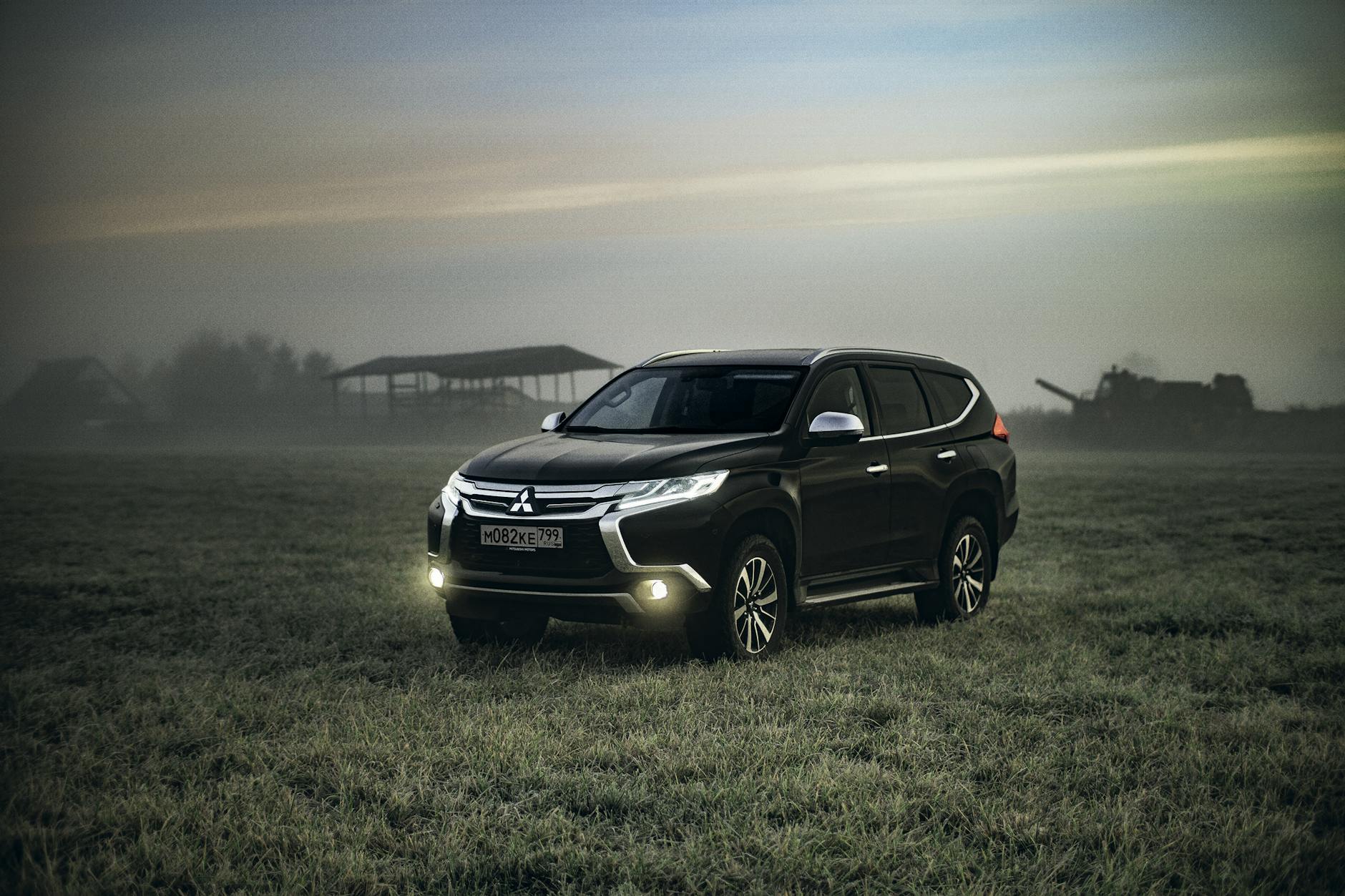
Evaluating the carbon footprint of your vehicle is another essential step in making a sustainable purchase. Consider the emissions output over the car's lifetime, which depends largely on its engine type and fuel efficiency. Cross-check brands that are known for low emissions, such as a used Mitsubishi, which can be an excellent choice in balancing performance and environmental responsibility. By factoring in the carbon footprint, you ensure that your choice aligns with your sustainability values.
Finding Green Financing Options
Securing financing that aligns with your eco-friendly goals can ease the transition to sustainable vehicle ownership. Some financial institutions offer green loans with favourable rates for environmentally conscious purchases. Look into such options that support eco-friendly investments and consider engaging with car dealerships around Parramatta Road, where you might find tailored financing for hybrid or low-emission vehicles. This approach ensures your financial choices align with your environmental values and facilitates a sustainable automotive experience.
Addressing Common Pitfalls
Environmental Impact Neglect
When operating within the competitive and dynamic logistics environment of Sydney, overlooking environmental impacts is a common, yet critical misstep. For middle-aged logistics professionals like Marcus, recognising brands like Toyota and Hyundai for their strides towards low-emission models not only benefits your operational efficiency but also aligns with global sustainability goals. The Port of Sydney can serve as an inspiring case study, pushing the boundaries of eco-friendly operations. By choosing vehicles that come equipped with alternative powertrains or hybrid systems, you can mitigate your carbon footprint significantly and reflect positively in your corporate social responsibility endeavors.
Overlooking Maintenance Records
One cannot underestimate the importance of scrutinising a vehicle's maintenance history, a step pivotal to ensuring durability and reliability. As logistics managers know, disruptions caused by vehicle breakdowns can severely impact supply chain continuity. It's crucial to dig into service records, especially when dealing with used cars around dealerships on Parramatta Road. Regular maintenance is what sustains a vehicle's longevity, whether it's a Subaru or a Hyundai, and should be non-negotiable in your buying strategy.
Underestimating Long-Term Costs
Disregarding future expenses can compromise your fleet budget and logistics efficiency. A strategic approach is to evaluate long-term ownership costs, including insurance, fuel, and potential repairs. Purchasing a vehicle may be a one-time action, but maintaining it is an ongoing responsibility. Calculating these expenses, especially in bustling Sydney, provides a realistic picture of how to buy a used car that remains sustainable over time. Ensuring vehicle choices contribute positively in both the short and long term aligns your operations with both economic and environmental objectives.